This might be for you if
- Reading is slow or tiring for you or your child, even with plenty of practice
- Spelling, writing or math has stayed hard year after year
- A teacher has raised a concern and you want a clearer picture
- You are an adult who has always wondered whether you have dyslexia
- A school, college or testing agency has asked you for a current evaluation
What learning disabilities and dyslexia are
The National Institute of Child Health and Human Development (NICHD) explains that learning disabilities affect how a person learns to read, write, speak and do math. They are caused by differences in the brain that affect the way it processes information.
A learning disability is not an indication of a person's intelligence, NICHD says. MedlinePlus, from the National Library of Medicine, puts it to parents plainly: learning disabilities do not have anything to do with how smart your child is.
Dyslexia is one of the most common learning disabilities. NICHD describes it as problems with reading words accurately and with ease, often along with a hard time spelling. Dysgraphia affects handwriting and getting thoughts onto paper, and dyscalculia affects understanding arithmetic. A person can have more than one. NICHD adds that learning disabilities can last a lifetime, and that a person can still be successful with the right educational supports.
Common signs
Many children have trouble with reading or writing at some point, and NICHD is clear that this does not mean they have a learning disability. A child with a learning disability often has several related signs that do not go away or get better over time. NICHD lists these among the signs associated with dyslexia:
- Trouble connecting letters with sounds, and with recognizing words
- Poor spelling
- A slow rate of reading, both silently and out loud
- Problems remembering numbers in sequence, such as telephone numbers
Signs are not a diagnosis
- NICHD says these signs alone are not enough to determine that a person has a learning disability
- Tell us if you or your child learns in a second language. NICHD says an assessment must take that into account
What a learning disability evaluation looks at
NICHD describes a full evaluation as including a review of developmental, social and school performance, a discussion of family history, and academic and psychological testing. In general terms, our evaluation looks at reading, spelling, writing, math, language and related skills, alongside your history or your child's.
NICHD also lists a medical exam to rule out other causes. That part belongs with your doctor, and we do not provide it.
If the question is wider than reading, writing or math, for example if attention is also a concern, a psychoeducational evaluation looks at learning, attention and thinking skills together. Both are among our psychological evaluations.
What an evaluation can and cannot tell you
An evaluation can describe where reading, writing or math is strong and where it takes more effort, and whether the pattern fits a learning disability. We cannot tell you ahead of time what it will find.
A school, college or testing agency makes its own decision. We cannot promise that any of them will accept a report, or that an evaluation will lead to an Individualized Education Program (IEP), a Section 504 plan or accommodations. Ask whoever requested the evaluation exactly what they need before you book.
Public schools also evaluate students themselves. U.S. Department of Education regulations say a public agency must conduct a full initial evaluation before it first provides special education, and that a parent may request one. The Department's Section 504 guidance says an outside evaluation may be one of many sources a school considers. This is general information, not legal advice.
How the evaluation works by video
The evaluation is carried out entirely by secure video, and there is no office to visit. The person being evaluated must be physically located in Pennsylvania, West Virginia or Arizona during appointments. For anyone under 18, a parent or guardian arranges the evaluation and takes part.
An evaluation usually involves an intake appointment, then one or two sessions to complete the evaluation, then time for the written report. At the moment, the written report is usually ready about a month after the first evaluation appointment. If you have a deadline, say so on the request form.
An evaluation is not emergency care. If you or your child is in crisis, call or text 988, or call 911. Locascio Wellness does not provide emergency or crisis services.
Cost, getting started and what comes after
Evaluations are private-pay and are not billed to insurance. The cost depends on what the evaluation involves, and a sliding scale is available. See what evaluations cost for more.
- Send a short requestUse our short evaluation request form. It asks for the type of evaluation, age group, state and timing, and no health details. If the evaluation is for a child, tell us your child's age on the request form.
- Talk it throughWe reply to set up a free 15-minute consultation. You can also pick a time on our booking page, or call 267-573-9817. We talk about what is needed, who is asking for it and any deadline.
- Get the cost in writingBefore anything is scheduled, you receive the cost in writing, and you have the right to a Good Faith Estimate. See insurance and fees for how payment works.
- Review the findings and decide what is nextThe findings are explained in plain language, with time for questions, and you receive a written report. We do not provide tutoring or reading instruction. MedlinePlus describes special education as the most common treatment for learning disabilities, and notes that a child may also struggle with low self-esteem and frustration. For worry, confidence or focus, therapists on our team offer child therapy and anxiety therapy, as a separate service that is always your choice.
Who carries out the evaluation
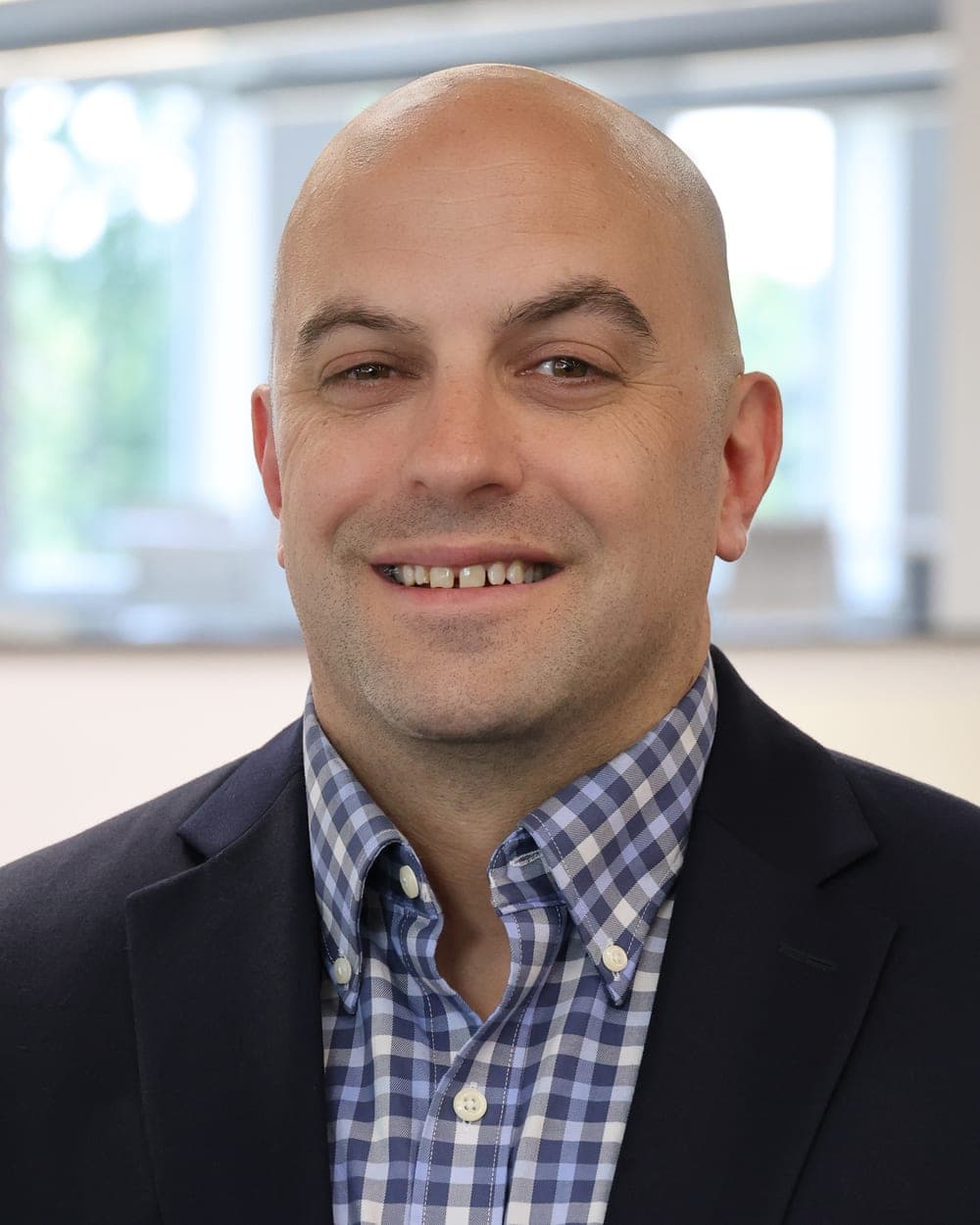
Evaluations are carried out by Dr. Anthony Locascio, who holds a Doctor of Psychology degree (PsyD) and is a Licensed Professional Counselor in Pennsylvania, West Virginia and Arizona. He is completing licensure as a psychologist, so every evaluation is supervised and every report is co-signed by Jace St. Cyr, a licensed psychologist (Pennsylvania license PS020275).
He has carried out more than 300 psychological evaluations, most of them with children and teens.
Questions people ask
Can dyslexia be evaluated online?
At Locascio Wellness, evaluations for dyslexia and other learning disabilities are carried out entirely by secure video. The person being evaluated must be physically located in Pennsylvania, West Virginia or Arizona during appointments. The evaluation ends with the findings explained in plain language and a written report.
Does a learning disability mean my child is not smart?
No. The National Institute of Child Health and Human Development states that a learning disability is not an indication of a person's intelligence. MedlinePlus says learning disabilities are caused by differences in the brain and have nothing to do with how smart a child is.
Can adults be evaluated for dyslexia?
Yes. We evaluate adults as well as children and teens. The National Institute of Child Health and Human Development notes that learning disabilities can last a person's entire life. Some adults ask because a college or testing agency wants documentation. Others want to understand something they have noticed since school.
How much does a dyslexia evaluation cost, and does insurance pay?
Evaluations at Locascio Wellness are private-pay and are not billed to insurance. The cost depends on what the evaluation involves, and a sliding scale is available if cost is a barrier. You receive the cost in writing before anything is scheduled, and you have the right to a Good Faith Estimate.
Will the school accept the report or give my child an IEP?
We cannot promise that. The school makes its own decision, and public schools carry out their own evaluations before they first provide special education. Ask your school what it needs before you book. This is general information, not legal advice.
Is there a minimum age for a dyslexia evaluation?
Tell us your child's age on the request form. For anyone under 18, a parent or guardian arranges the evaluation and takes part, and the young person must be physically located in Pennsylvania, West Virginia or Arizona during appointments.
Guides to read before you decide
Sources
- National Institute of Child Health and Human Development: About Learning Disabilities
- National Institute of Child Health and Human Development: What are some signs of learning disabilities?
- National Institute of Child Health and Human Development: How are learning disabilities diagnosed?
- MedlinePlus: Learning Disabilities
- U.S. Department of Education, IDEA regulations: Sec. 300.301 Initial evaluations
- U.S. Department of Education: Frequently Asked Questions: Section 504 Free Appropriate Public Education (FAPE)
Published by Locascio Wellness. Last updated October 9, 2026. Clinically reviewed by Anthony Locascio, PsyD, LPC. This page is general information, not medical advice or a diagnosis.