This might be for you if you notice
- Memories or nightmares that keep pulling you back to what happened
- Avoiding places, people or conversations that remind you of it
- Feeling tense, on guard or easily startled
- Harsh thoughts about yourself or the world since the event
- A child or teen who has changed after something frightening
Trauma responses and PTSD
It is understandable to feel shaken after a frightening or dangerous event, and most people recover from those early symptoms over time. When symptoms continue and get in the way of daily life, they can be signs of post-traumatic stress disorder (PTSD).
The signs fall into a few groups: reliving the event through flashbacks, with physical reactions like a racing heart or sweating; staying away from places or things that are reminders; feeling tense, on edge or easily startled; and negative thoughts about oneself or the world. People with PTSD may keep feeling stressed or frightened even when they are no longer in danger.
None of this means something is wrong with who you are. These are understandable responses to something overwhelming, and they are something therapy is used for.
How trauma therapy works
The National Center for PTSD says the talk therapies with the most research support are trauma-focused, meaning the treatment focuses on the traumatic event and what it means to you. Cognitive behavioral therapy for PTSD can include gradually and safely approaching the memory so fear becomes more manageable, and working to make sense of what happened.
Members of our team use trauma-focused CBT (TF-CBT) and Accelerated Resolution Therapy (ART), along with CBT, mindfulness-based approaches and Internal Family Systems (IFS) informed work. Not every therapist uses every approach. At your consultation, ask how each one works and which might suit you.
You stay in charge of the pace. Therapy often begins with building trust and steadying skills, and you decide what to talk about and when. We do not prescribe medication. Medication questions belong with a prescriber.
Support for children and teens after trauma
Children and teens can have strong reactions to traumatic events, and their symptoms may not look the same as an adult's. Older children and teens usually show symptoms more like those seen in adults.
In TF-CBT, a child talks about the memory of the trauma and learns techniques to lower worry and stress, at their own pace. The National Center for PTSD reports that research shows TF-CBT is safe and effective for children with PTSD. Parents and caregivers are often included, so they can understand what their child is going through and learn coping skills too. See our child therapy page for more.
What online sessions look like
Every session is a secure video visit, so you can do this work from a place where you already feel comfortable. You need a phone, tablet or computer, an internet connection and a private spot. Some people keep a blanket, a pet or a cup of tea nearby.
The National Institute of Mental Health says virtual care can be effective for conditions including PTSD. Sessions are confidential, with legal exceptions for risk of serious harm to yourself or others and suspected abuse or neglect of a child or vulnerable adult.
Video therapy is ongoing care, not emergency care. If you are in crisis or thinking about harming yourself, call or text 988, or call 911. Locascio Wellness does not provide emergency services. Our crisis resources page lists more options.
Getting started
- Book a free consultationChoose a time for a free 15-minute consultation on our booking page. Share only as much as you want to.
- Get matched with a therapistYou must be in Pennsylvania, West Virginia or Arizona during sessions. We match you with a therapist licensed where you live who works with trauma and your age group. You can read about our team first.
- Check your coverageWe are in-network with many plans, and self-pay is available. See insurance and fees or ask us to verify your benefits.
- Begin at your paceEarly sessions focus on getting to know you, what you want from therapy and what helps you feel steady.
Feeling safe again is possible
According to the National Center for PTSD, people who have gone through trauma can learn to feel safe in the world and cope with stress. Progress is usually gradual, not immediate, and small changes count: a full night of sleep, a drive past a hard place, a calmer reaction.
If you served in the military, see veterans counseling. If worry and tension are the main struggle, our anxiety therapy page may help. What happened is part of your story, and it does not get to decide the rest of it.
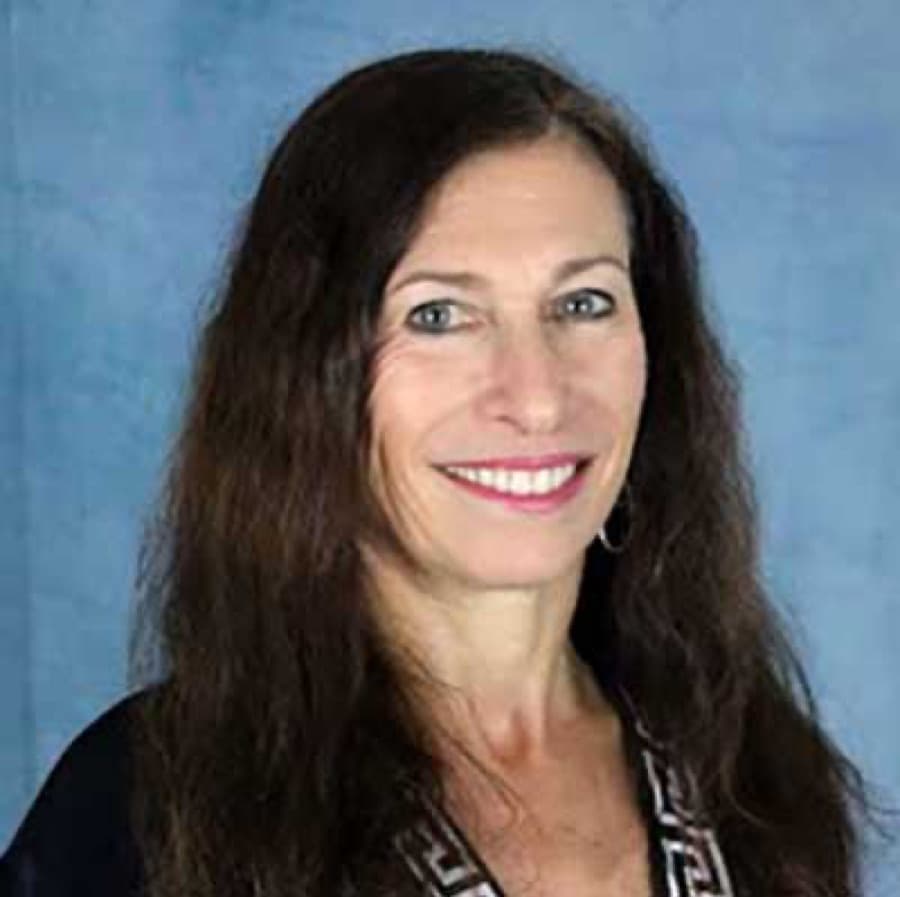
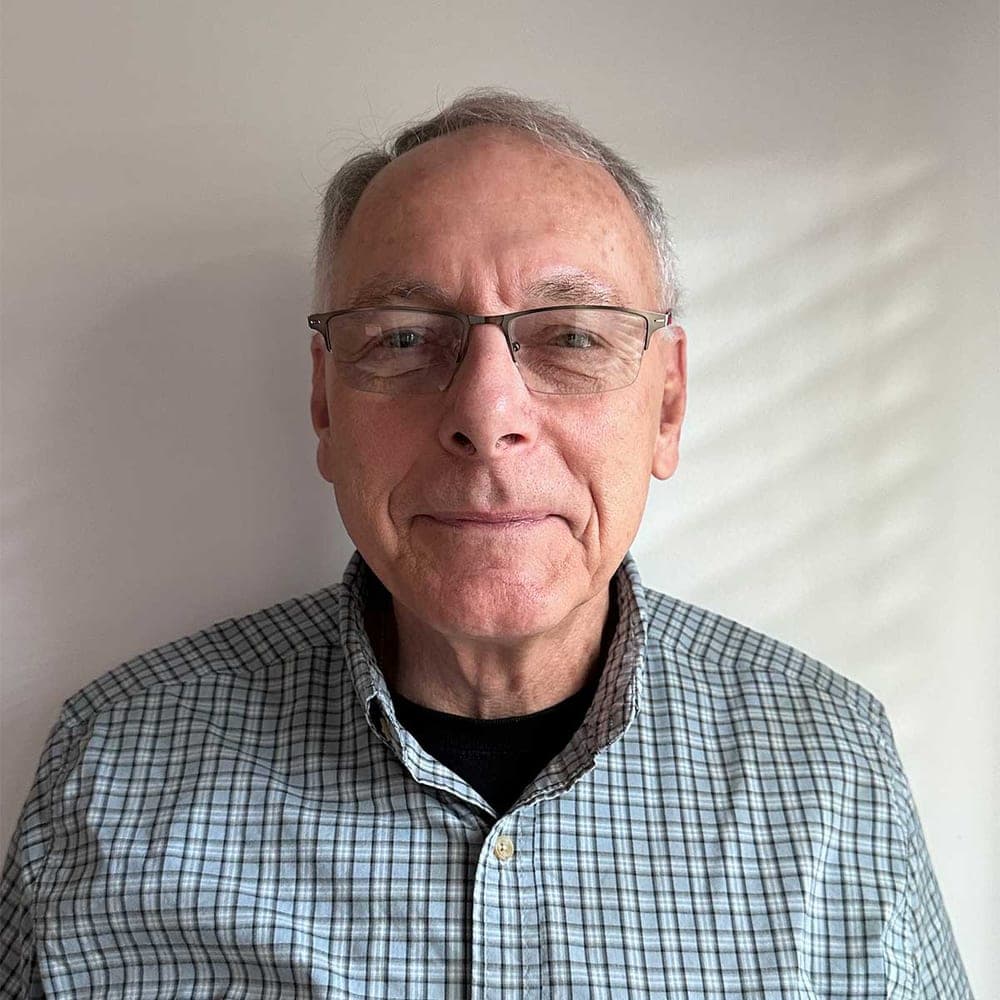
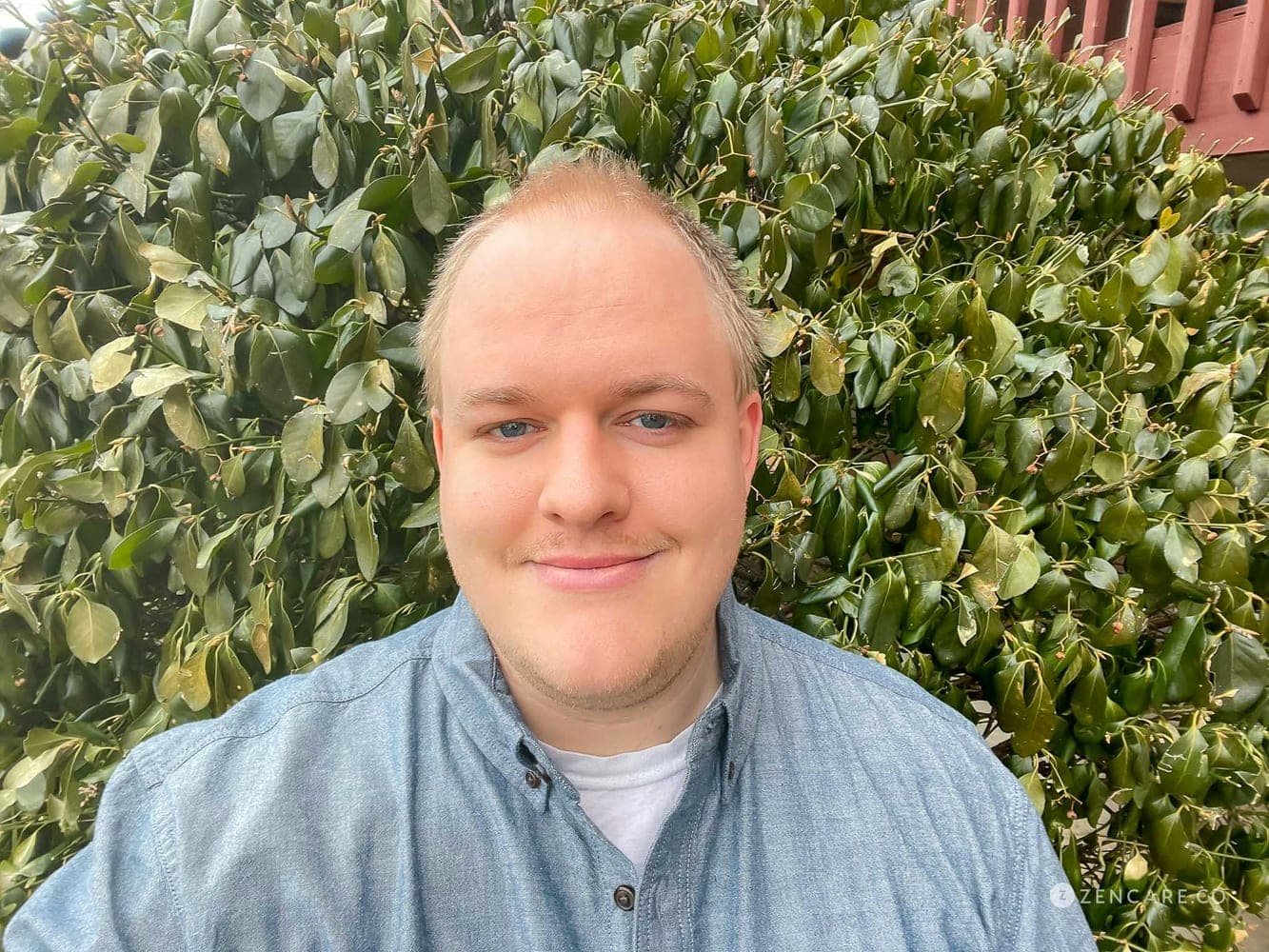
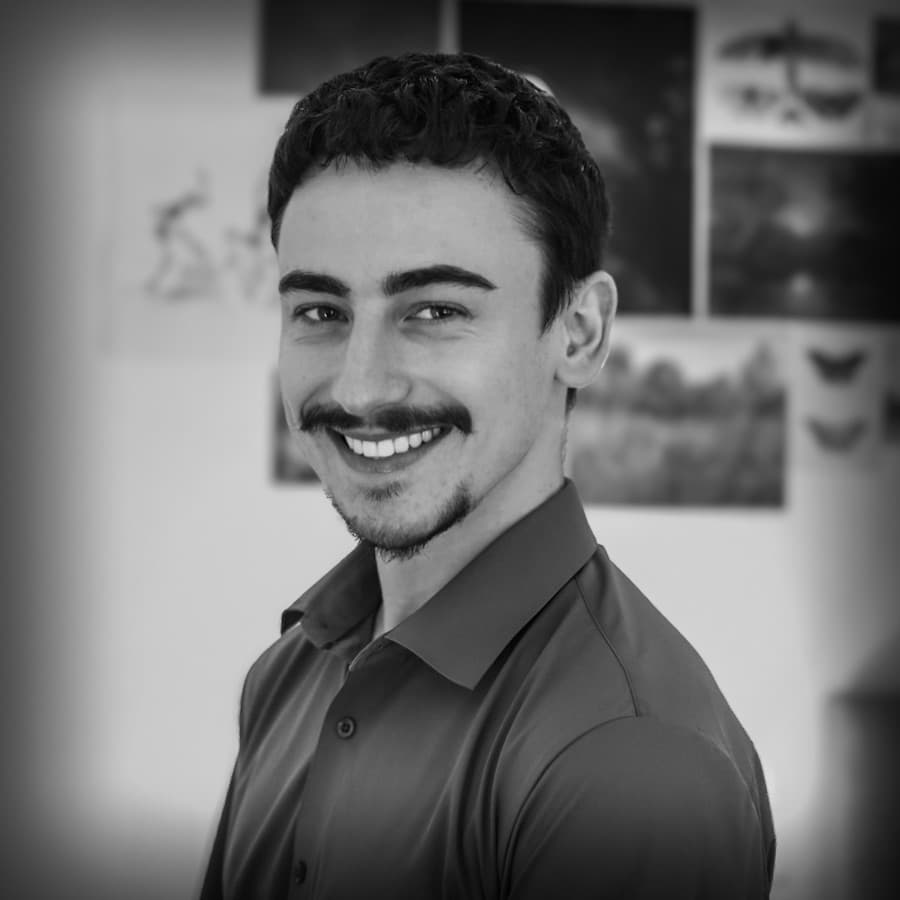
Therapists for trauma & ptsd therapy
These therapists describe related experience in their own profiles. We will help you find the best fit and confirm who is licensed in your state.



Questions people ask
Can PTSD be treated with online therapy?
Yes, it can be. The National Institute of Mental Health says virtual care can be effective for treating conditions including PTSD. Sessions happen by secure video with a licensed therapist, using established kinds of talk therapy. Some people like doing trauma work from a space where they already feel at ease.
How do online trauma therapy sessions work?
You join a secure video session from a phone, tablet or computer in a private place. You must be physically located in Pennsylvania, West Virginia or Arizona during each session, and we match you with a therapist licensed in your state. Evening and weekend appointments are available, depending on the therapist.
Does insurance cover PTSD therapy?
Coverage depends on your plan and state. We are in-network with Aetna, Cigna, Highmark, Independence Blue Cross, Blue Cross Blue Shield plans, Geisinger, Optum, UnitedHealthcare and Medicare. Medicaid is not accepted, and self-pay is available. Ask us to verify your benefits before your first session so you have an estimate of your cost up front.
Will I have to talk about what happened right away?
No. You set the pace. Early sessions often focus on getting to know you, building trust and learning skills that help you feel steadier. Trauma-focused therapy does involve working with the memory and what it means to you, but when and how that happens is something you and your therapist decide together.
What are TF-CBT and Accelerated Resolution Therapy?
Both are approaches used by members of our team. Trauma-focused CBT (TF-CBT) is a form of cognitive behavioral therapy in which a child talks about the trauma memory and learns skills to lower worry and stress, often with a caregiver involved. Accelerated Resolution Therapy (ART) is another approach some of our therapists use. Ask at your consultation how each works and whether it fits you.
Do I need a PTSD diagnosis to start therapy?
You do not need to arrive with a diagnosis or be sure what to call your experience. Trouble sleeping, feeling on guard, avoiding reminders or being pulled back into memories can be signs of a trauma response, and they are reason enough to talk with a therapist. Start with a free 15-minute consultation.
Sources
- National Institute of Mental Health: Post-Traumatic Stress Disorder
- National Institute of Mental Health: Traumatic Events and Post-Traumatic Stress Disorder (PTSD)
- VA National Center for PTSD: PTSD Treatment Basics
- VA National Center for PTSD: PTSD in Children and Teens
- National Institute of Mental Health: Getting Mental Health Support Virtually
- 988 Suicide & Crisis Lifeline
Published by Locascio Wellness. Last updated October 9, 2026. Clinically reviewed by Anthony Locascio, PsyD, LPC. This page is general information, not medical advice or a diagnosis.