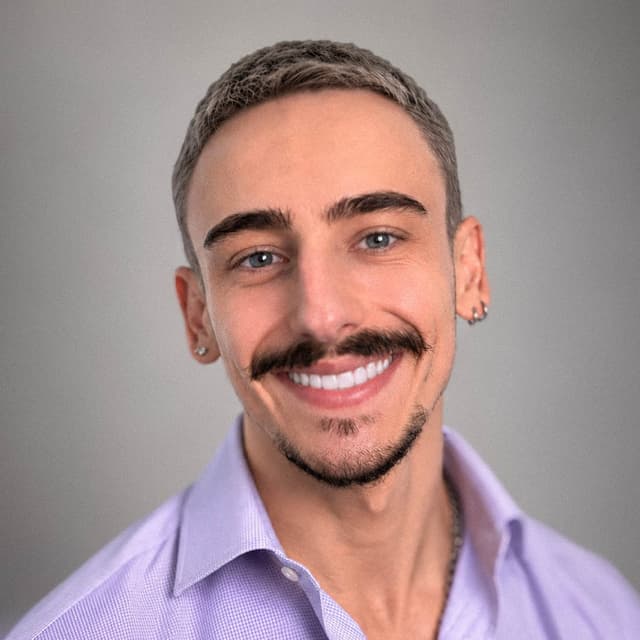
About Nicholas
I wasn’t bad. I wasn’t damaged. In fact, those habits and behaviors were learned responses that my body used to keep me alive. They were survival mechanisms.
I go by Nick, and that is the name you will see on some therapy directories. This idea is at the heart of how I see people. Many who come to therapy carry quiet shame about the ways they cope or the parts of themselves that feel confusing or hard to live with. Often, those parts developed out of necessity. In our work together, we take time to understand them with care and patience, rather than trying to push them away.
I often work with people who feel overwhelmed by their inner world or disconnected from themselves. Some are living with the effects of trauma, anxiety, depression, ADHD, dissociation, or questions about identity and belonging. Many are neurodivergent, LGBTQ+, or have spent years masking in order to fit in. Therapy becomes a place where you do not have to hide or explain yourself, and where your experiences are taken seriously.
If you like to read before you reach out, our guides to IFS-informed therapy, dissociation and autistic masking cover questions that come up often in my work.
My approach is flexible and shaped by IFS informed work, Somatic Experiencing practices, attachment focused therapy, CBT, and DBT. More than any specific method, I focus on building a relationship that feels steady and respectful. I believe change happens when you feel safe enough to slow down and listen to yourself in a new way.
I earned my Master of Science in Clinical Psychology from Millersville University, after bachelor's degrees in psychology and criminology from Penn State, and I have completed more than 20 hours of training in Dialectical Behavior Therapy. I have worked in inpatient and outpatient care, community mental health, corrections, and child focused settings: as a psychiatric technician at the State Correctional Institution at Camp Hill, coaching social and emotional skills in children's groups at the Child Study Center at Penn State, as an inpatient graduate therapist at WellSpan York Hospital, and providing diagnostic evaluations and long-term individual therapy at Peninsula Behavioral Health in Washington state. These experiences have taught me how important it is to meet people where they are and to move at a pace that feels manageable. In sessions, I aim to offer a space that feels calm and genuine. You do not need to have the right words or know where to start.
Outside of therapy, I am a fiction writer with a long standing interest in identity and change. That same curiosity and care carries into my work as a therapist, supporting people as they find their own understanding of who they are and who they are becoming.
Nicholas’s areas of focus
- Trauma
- Anxiety
- Depression
- ADHD
- Dissociation
- Identity and belonging
- Neurodivergence and masking
Approaches
- IFS-informed work
- Somatic Experiencing practices
- Attachment-focused therapy
- CBT
- DBT
Services Nicholas offers
Articles on what Nicholas works with
- What Is IFS-Informed Therapy?IFS views a person as having many inner parts, and treats none of them as bad.
- ADHD Masking and Burnout in AdultsMasking is hiding or covering traits to avoid judgment, and it often starts in childhood.
- What Is Dissociation?Dissociation runs along a range, from ordinary daydreaming to episodes that disrupt daily life.
Guides to psychological evaluations
- ADHD or Depression in Adults: How to Tell Them ApartTrouble concentrating, low energy and restlessness appear in descriptions of both ADHD and depression.
- Is It ADHD or a Sleep Problem?Not getting enough quality sleep can cause problems with focusing, learning, remembering and managing emotions.
- ADHD or Trauma? How to Tell When the Symptoms Look AlikePTSD can cause difficulty concentrating, feeling on edge, irritability and trouble sleeping.
- Can You Develop ADHD as an Adult?An ADHD diagnosis in adults requires symptoms that began before age 12.
- ADHD, Time Blindness and Procrastination: Why It Is Not LazinessTime blindness is an everyday phrase, not a medical term or a diagnosis.
- What to Do After an Adult Autism DiagnosisThere is no right way to feel after a diagnosis, and mixed feelings are common.
- Autism or Social Anxiety in Adults: How They Overlap and DifferAvoiding social situations, finding eye contact hard and feeling drained by conversation can appear in both autism and social anxiety.
- Is an Adult Autism Diagnosis Worth It? How to Weigh the DecisionResearch on adults diagnosed later in life describes relief, self-understanding and new community, alongside grief, regret and stigma.
- Autism or Trauma? Overlapping Signs in Adults and What Tends to DifferShutdowns, feeling on guard, sensory sensitivity and social withdrawal can appear with both autism and trauma-related conditions.
- Signs of Autism in Women and Girls, and Why They Are Often MissedOn average, girls and women are diagnosed with autism later than boys and men.
- Autistic Masking: What It Is, Why People Do It and What It CostsMasking means hiding autistic traits or copying others to blend in, sometimes on purpose and sometimes without noticing.